Maniwa Nen-ryū (馬庭念流) is one of the oldest surviving traditions of Japanese swordsmanship, a branch of the medieval Nen-ryū that has been carried for more than four centuries by a single family in one village. It takes its name from Maniwa, a settlement in the old province of Kōzuke (modern Gunma), where the Higuchi family fixed the school around the end of the sixteenth century. It is known above all for a patient, defensive method, summed up in the teaching that the swordsman should not seek to win so much as refuse to lose.
The Nen-ryū and the monk Jion
The parent tradition, Nen-ryū (念流), is among the earliest named schools of Japanese swordsmanship, and like most schools of that age its beginnings are wrapped in legend. It is attributed to a wandering monk usually called Nen'ami Jion (念阿弥慈恩), said in tradition to have been born into the Sōma family of the north-east as Sōma Shirō Yoshimoto, to have lost his father to violence as a child, and to have entered religious life and travelled the country mastering the sword in order to settle the score. These stories are the familiar furniture of the koryū origin tale and cannot be checked; Jion's dates, and even whether the name covers one man or several, are uncertain. What is clearer is that a tradition bearing the name Nen-ryū was already old by the sixteenth century and was regarded as an ancestor of several later sword lines, so that the name carries real historical weight even where the founder does not.
Do not seek to win so much as refuse to lose: survival and self-control before victory.
The Higuchi family and Maniwa village
The documented life of this branch begins with the Higuchi family, who received the Nen-ryū transmission and established their own line at Maniwa. The decisive figure is Higuchi Matashichirō Sadatsugu (樋口又七郎定次), active around the end of the sixteenth century and regarded as the founder of Maniwa Nen-ryū. The school's best-known story belongs to him: that in 1600 he defeated a swordsman of a rival school, Murakami Tenryū, in a duel at the Itakura Hachiman shrine, having first prayed there for victory. The tale is told and retold within the school as the moment its reputation was made, and it is best treated as the tradition's own account rather than as independently documented fact. What is not in doubt is that from Sadatsugu onward the Higuchi family held the school as a hereditary art and kept it in Maniwa, where it has remained ever since.
A defensive art
Maniwa Nen-ryū is unusual among sword schools for the temperament of its method. Where many traditions prize the decisive first attack, this one is built around waiting, reading the opponent, and answering his commitment with a counter. Its teaching is often summed up in the idea that the purpose of training is not to win but to avoid being beaten, so that survival and self-control come before victory. In practice this produces a careful, close, defensive game with the bokutō, in which the student learns to absorb and turn an attack rather than to force one. The school holds that this restraint is not timidity but the harder discipline, and it has long presented itself as a martial art for farmers and townsmen as much as for warriors, a means of protecting oneself without seeking quarrels.
An unusually documented line
For all that its founder belongs partly to legend, Maniwa Nen-ryū is one of the better-recorded of the classical schools, because the Higuchi family preserved its papers. Generations of transmission scrolls (densho), enrolment oaths and household records survive in the family's keeping, allowing the later history of the line to be followed with a confidence that is rare for a koryū. The standard reference works on Japanese martial traditions, the Bugei Ryūha Daijiten among them, treat the Maniwa line as a continuous and securely attested transmission from around 1600 to the present, even as they note that the deeper descent from Jion is a matter of tradition.
The school today
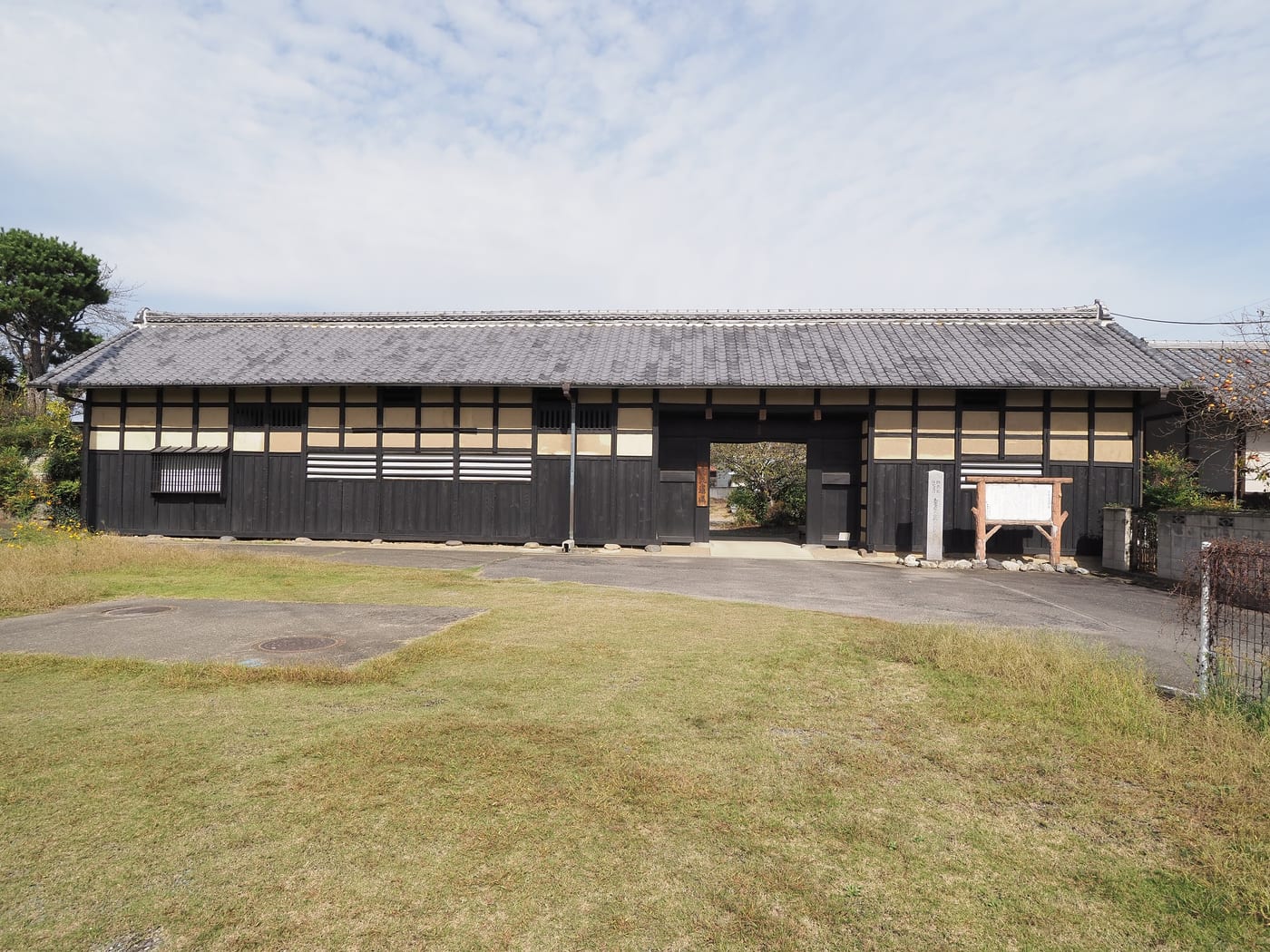
The school is still taught at Maniwa, now part of the city of Takasaki in Gunma Prefecture, and is still headed by the Higuchi family, which makes it one of the longest unbroken family transmissions in Japanese martial culture. It is recognised by the prefecture as an intangible cultural property, and the family dōjō continues to hold regular practice and an annual demonstration. A tradition that began, by its own account, with a vengeful monk on the road has become something quieter and more durable: a village school that has outlasted the warrior class itself by teaching, above all, how not to lose.