Ninjutsu (忍術) is the body of techniques, doctrine and conduct associated with the shinobi (忍び), the covert agents of pre-modern Japan most strongly identified with the Iga and Kōka regions. Although modern popular culture has reshaped the shinobi into a costumed assassin, the tradition documented in Japanese sources is concerned far more with intelligence-gathering, infiltration, disguise, endurance and a strict ethical discipline than with theatrical combat.
Origins and Region
Ninjutsu is usually traced to the mountainous, politically fragmented terrain of Iga (modern Mie Prefecture, Japan) and neighbouring Kōka (modern Shiga Prefecture), where local warrior families developed skills suited to survival in places where open force was neither always available nor always wise. Scholars such as Yamada Yūji of Mie University place the activity of the shinobi from roughly the Nanboku-chō period through the Edo period, when the consolidation of Tokugawa rule gradually turned wartime operatives into guards, informants and domain retainers.
Seishin, the rightly ordered heart beneath the blade; hidden skill must answer to character or it becomes mere criminality.
The Three Major Manuals
Most of what can be said about ninjutsu with confidence comes from a small number of Edo-period manuals, traditionally grouped as the "three great ninjutsu documents."
『万川集海』 (Bansenshūkai), compiled by Fujibayashi Yasutake in 1676, gathers the techniques of the Iga and Kōka traditions into twenty-two volumes. The National Archives of Japan note that it frames its practical material with theoretical chapters on seishin (正心, the "correct heart"), reflecting an effort to establish ninjutsu's legitimacy as a serious martial discipline.
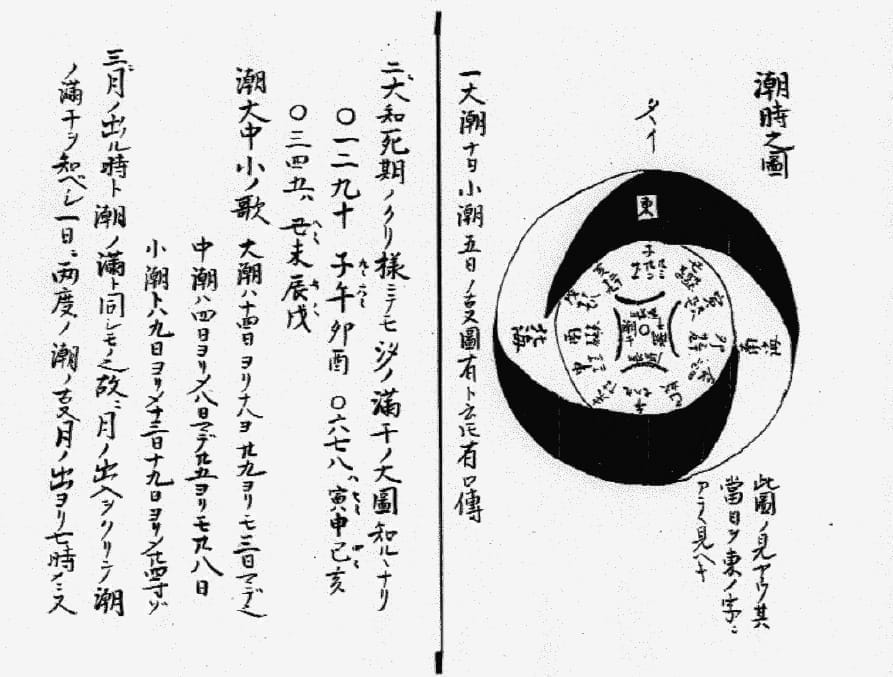
『正忍記』 (Shōninki), written by Natori Masazumi in 1681 for the Kishū branch of the Tokugawa house, presents practical techniques together with the seven disguises (七方出, shichihō de) and the six essential tools (忍び六具, shinobi rokugu), interwoven with Zen-influenced reflection.
『忍秘伝』 (Ninpiden), associated with the Hattori tradition, is the plainest of the three, a manual of concrete techniques whose attribution and dating remain disputed.
Seishin: The Ethical Core
A striking feature of the documented tradition is its insistence that hidden skill must be governed by character. 『万川集海』 treats seishin as the "root" of the shinobi and technique as its "branches," warning that infiltration, deception and manipulation become indistinguishable from crime without a disciplined heart. The Iga City digital museum's account of the manual's opening chapter speaks of carrying "the heart beneath the blade" and of cutting away one's own appetites, an austere, almost monastic framing rather than a romantic one.
Skills and Tools
Rather than spectacular acrobatics, the manuals emphasise observation, patience, disguise and preparation. The seven disguises allowed an agent to pass as a monk, merchant, entertainer, mountain ascetic or comparable figure, while the six tools were modest, practical items for travel, entry and survival. Notably, the texts say little about athletic training; Yamada Yūji observes that one manual lists wide reading of Confucian and military texts, long travel on foot, and the endurance of heat and cold as the first stage of training.
Myth and Modern Scholarship
The familiar image of the black-clad ninja is largely a product of Edo-period theatre and later popular media rather than the historical record. Academic study (centred at Mie University's International Ninja Research Center, established in Iga) treats shogunate and domain records, family documents and the ninjutsu manuals as primary evidence, working to distinguish the documented shinobi from the entertainment figure.
Relationship to Modern Schools
Ninjutsu as a living, organised art is largely discontinuous: the historical lineages are fragmentary, and many modern claims to unbroken transmission are difficult to verify by academic standards. The best-known modern organisation associated with the term is the Bujinkan, founded by Masaaki Hatsumi, whose historical claims are treated cautiously by historians and which is documented separately on Ryūpedia.