The orthodox line of the one-sword school
Ono-ha Ittō-ryū (小野派一刀流) is the orthodox mainstream of Ittō-ryū, the influential Japanese swordsmanship tradition of the "one sword". Where the founding of Ittō-ryū itself is bound up with the legend of Itō Ittōsai, the Ono line rests on firmer ground: it takes its name from Ono Tadaaki (Ono Jiroemon), the swordsman recognised as Ittōsai's successor, who carried the school into the early Edo period and gave it the form by which it is best known.
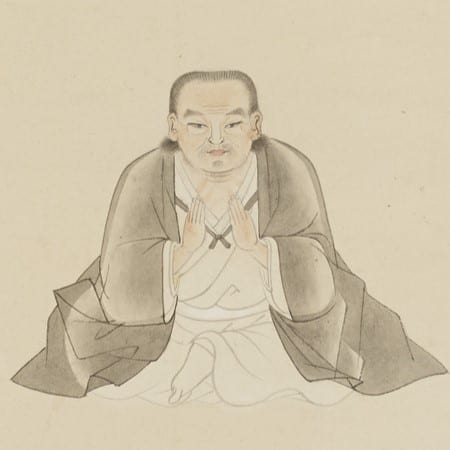
A sword school of the shogunate
Ono Tadaaki and his heirs served the Tokugawa house as sword instructors, and Ono-ha Ittō-ryū became one of the two great swordsmanship traditions patronised by the shogunate, standing beside Yagyū Shinkage-ryū. That official standing meant the line was transmitted carefully and recorded comparatively well, and it gave Ittō-ryū an authority that shaped Japanese swordsmanship far beyond the school itself.
The one decisive cut that both defends and strikes, carried as the orthodox line of Ittō-ryū.
Kiriotoshi and the single decisive cut
At the technical heart of the tradition stands kiriotoshi, the idea of meeting and overcoming an attack with a single decisive downward cut that both defends and strikes in one motion. Around this principle the school built a long graded curriculum of paired forms, and its emphasis on a clean, unifying central technique became one of Ittō-ryū's defining contributions to the theory of the sword.
The tradition today
Ono-ha Ittō-ryū survived the end of the samurai class and is transmitted today through more than one line rather than a single unbroken headship. Its curriculum was published and taught in the twentieth century, and it continues to be practised in Japan as a classical koryū, one of the more securely documented of the old sword schools.