I find it fascinating how confidently people talk about belts in Japanese martial arts as if they were carved into the foundations of Mount Fuji. As if somewhere in the seventeenth century someone said, “Right, today we invent the orange belt.”
Let’s reset this properly.
In the older Japanese martial traditions – the koryū systems – there was no modern ladder of coloured belts. No neat staircase from white to black. What existed were licenses. Written certifications. Menkyo. They documented transmission of a curriculum. They marked permission and responsibility, not motivational stepping stones. They were about authority to teach and preserve material, not about visible rank stratification inside a training hall.
The modern kyū/dan structure is a product of the late nineteenth century.
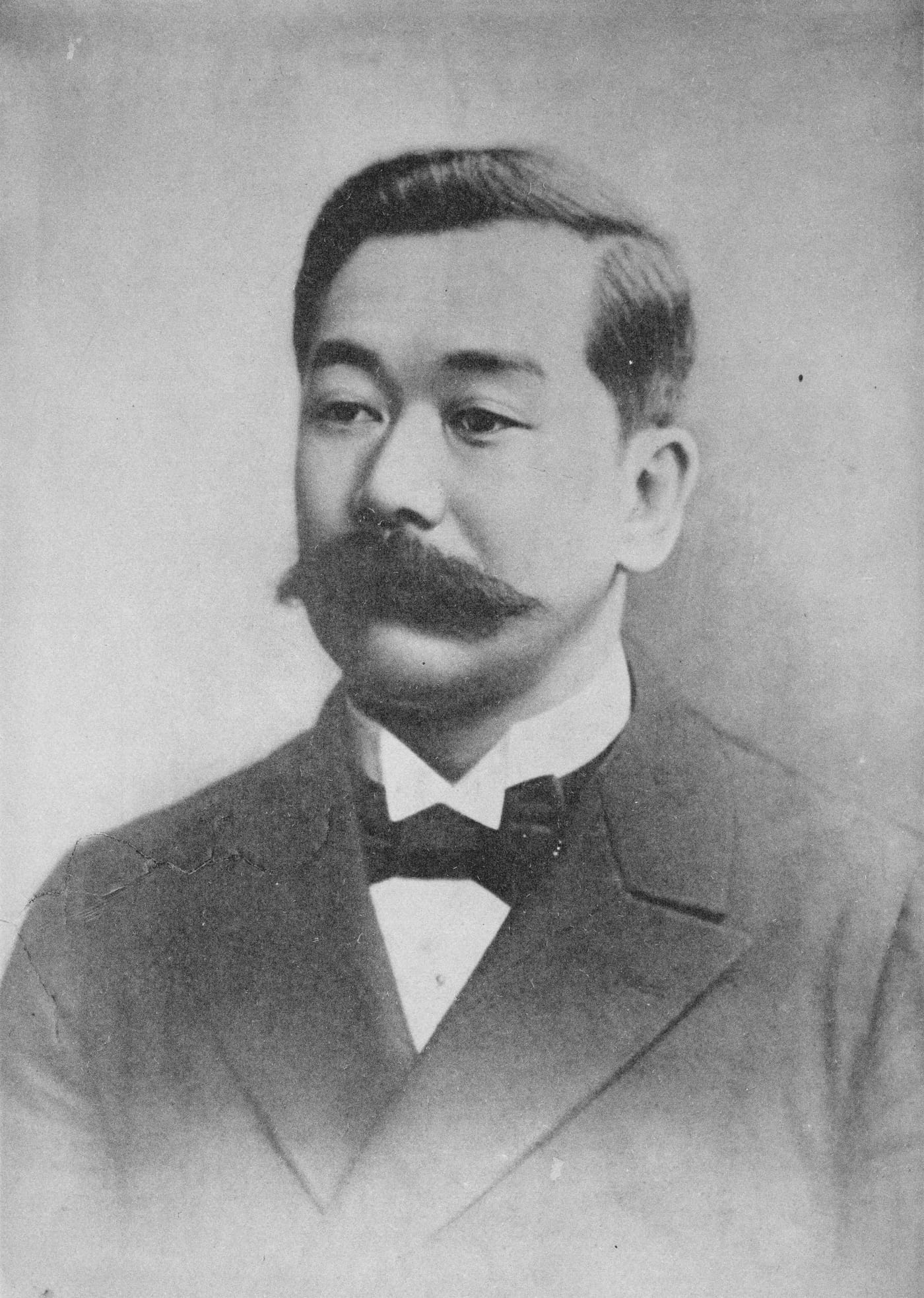
The terminology of dan and kyū already existed in Japanese culture. It was used in other ranking contexts, including intellectual games such as Go during the Edo period. But it was Jigoro Kano who transferred that logic into a martial discipline in a systematic way. In 1882 he founded the Kodokan in Tokyo. In 1883 he awarded the first documented dan ranks in a Japanese martial art. That moment matters. It is not medieval. It is Meiji Japan – a country reorganising itself through education, bureaucracy, and standardisation.
Kano was an educator. That is crucial. Kyū literally means grade or class level. It mirrors the language of schooling. Dan indicates stage or step. The structure fits perfectly into the modernising framework of the time. This was pedagogy and organisation, not mysticism.
Early belt differentiation was extremely simple. White for beginners. Black for those who had achieved dan rank. That is the core visual distinction. The belt itself was originally functional – it held the jacket closed. The symbolism we attach to colours today developed later. Around the late 1880s black belts appear clearly associated with dan-level practitioners. Broader differentiation among kyū grades by belt colour becomes more visible in the early twentieth century. By around 1913 the Kodokan had introduced clearer separation of kyū stages, including the use of brown belts for advanced kyū students.
The explosion of multi-coloured belt progressions – yellow, orange, green, blue – is largely a twentieth-century development, especially outside Japan. European teachers in the interwar period popularised expanded colour systems as a teaching and motivational tool. That is not ancient continuity. That is adaptation.
The Dai Nippon Butoku-kai, founded in 1895, played a decisive role in institutionalising ranking structures across Japanese martial arts. By the 1910s it had incorporated dan systems beyond Kodokan judo, helping standardise grading in disciplines such as kendo. This is where ranking becomes a broader budō norm rather than a Kodokan-specific innovation.
Karate provides another clear historical example. Okinawan karate did not originally operate with a coloured belt hierarchy. When karate entered mainland Japan in the early twentieth century, it integrated into a budō environment already shaped by judo’s dan/kyū model. Gichin Funakoshi awarded dan grades in the 1920s. That is documented. Karate adopted the system as part of its formalisation within Japanese martial culture. It did not originate with a rainbow belt ladder.
Aikido followed a similar path. The formal use of dan and kyū structures developed as the art was institutionalised in the twentieth century, particularly under the influence of national budō organisations. Kendo and iaido also operate with dan grades, though their visible ranking markers differ from the belt-heavy systems of judo and karate.
The key historical pattern is clear: ranking systems in Japanese martial arts developed alongside modern state structures, educational logic, and organisational needs. They provided clarity, progression, motivation, and administrative order. They were tools.
And tools can be used well. Or badly.
Here is where I allow myself a little dry observation. When a system that was originally created to structure learning becomes a marketplace ladder, distortions appear. Inflation of high dan grades. Shortened waiting times. Titles granted for loyalty rather than ability. Entirely new ranks invented to create internal hierarchies that did not previously exist. “Senior Grand Supreme Something” sounds impressive until you look for historical precedent and find none.
In Japan, historically, dan grades carried weight because they were embedded in institutional legitimacy – Kodokan, Butoku-kai, later national federations. There were processes, time requirements, peer recognition. Outside Japan, the dan model travelled globally. That global spread was one of the great successes of Japanese martial arts. But with export came variation. And variation sometimes means creativity that drifts far from the original intent.
When someone invents a 12th dan in an art that historically capped at 10, that is not evolution grounded in Japanese precedent. That is modern organisational invention. When belts are awarded in rapid succession to maintain student retention, that is not historical continuity. That is business logic.
None of this invalidates ranking itself. The kyū/dan system was a brilliant innovation. It allowed structured progression. It created measurable stages. It encouraged long-term development. It aligned martial training with educational frameworks. That was Kano’s genius – not mystical colour symbolism, but intelligent pedagogy.
But if we care about history, we must separate documented development from convenient legend. Dan grades in Japanese martial arts begin in the 1880s with the Kodokan. Broader standardisation follows in the late nineteenth and early twentieth centuries. Multi-coloured belt ladders expand significantly in the twentieth century. These are the facts.
Respecting Japanese martial arts means respecting their actual historical development, not retrofitting them with imagined antiquity. The system is modern. That does not make it less meaningful. It makes it more interesting.
And perhaps the most disciplined thing we can do – far more disciplined than tying a black belt – is to tell the story accurately.